Settling an estate often involves more than moving household contents from one location to another. Furniture, artwork, antiques, collectibles, and personal belongings may need to be sorted and shipped to family members, auction houses, storage facilities, or new residences. Each item may have a different destination, delivery schedule, and packing requirement. A clear Estate Shipping plan helps keep the process organized while reducing delays, confusion, and unnecessary handling.
Start with an Estate Shipping Inventory
A detailed inventory is one of the most useful tools for managing an estate shipment. It creates a record of what needs to be moved, where each item is going, and which pieces require special attention. This information helps the shipping team recommend the right packing and transportation options. It also gives family members, executors, and advisors a shared reference throughout the project Here's a list of important items to keep track of within an estate inventory:
- A description of each item
- The assigned recipient or destination
- Dimensions and approximate weight
- Notes about condition or fragility
- Packing or crating requirements
- Requested delivery dates
- Photos for identification and documentation.
Plan Around Multiple Destinations
Estate belongings are often divided among several recipients. A dining set may be shipped to one family member, artwork may go to another, and selected pieces may be sent to an auction house or storage facility. Organizing items by destination before packing can reduce unnecessary movement and help prevent mix-ups. Clear labels, recipient information, and shipment records make it easier to track each group of items from pickup through delivery. International destinations require additional planning. Customs documentation, destination restrictions, shipment value, and transit time should be reviewed before the items are packed.
Match the Packing Method to the Item
An estate can contain everything from sturdy household furnishings to delicate artwork and one-of-a-kind heirlooms. All these items have different packing needs. Size, construction, condition, fragility, and destination all factor into how an item should be prepared for shipping. The items being distributed may range from:
- Furniture and household furnishings
- Antiques and family heirlooms
- Paintings, fine art, and sculptures
- Collectibles and memorabilia
- Lamps, mirrors, chandeliers, and decorative objects
- Clocks and other mechanical items
- Electronics and specialty equipment
- Oversized or irregularly shaped pieces
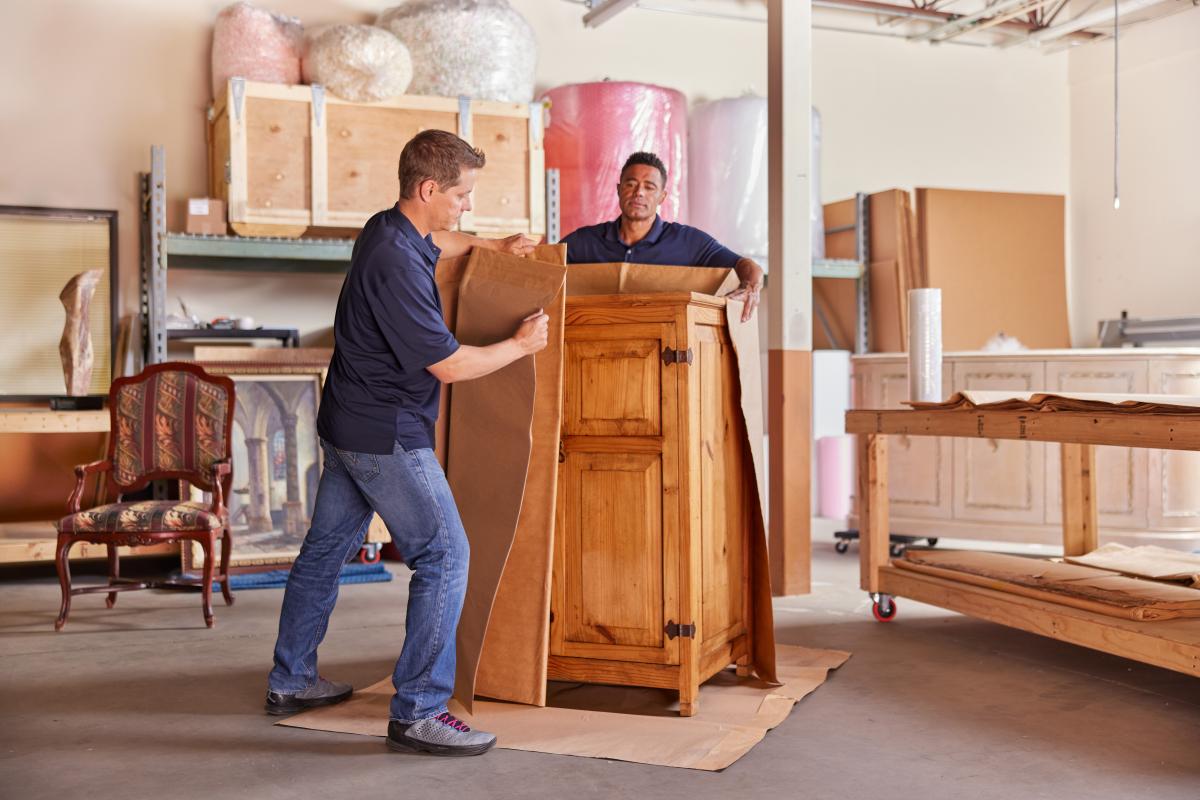
Professional packing may include cushioning, protective wrapping, reinforced cartons, specialty containers, or custom-built crates. The right method depends on the item's size, construction, condition, fragility, value, and destination.
Use Custom Crating Where It Adds Protection
Custom Crating is often recommended for items that cannot be adequately protected with standard packaging. Think large paintings, glass-fronted artwork, sculptures, large furniture, antiques, grandfather clocks, chandeliers, and vintage electronics. A custom crate is designed around the dimensions and handling needs of the item. Interior cushioning and supports can be added to help limit movement and protect vulnerable areas during transportation. Not every estate item requires a crate. An experienced shipping professional can evaluate the item and recommend a practical level of protection without overpacking pieces that can be shipped safely using other methods.
Coordinate Pickup, Shipping, and Delivery
Getting estate items to the right destinations takes coordination. The size of each shipment, where it is going, and the level of service needed all help determine the best transportation method. Smaller shipments can move by parcel carrier, while furniture and other large pieces may be better suited for LTL freight coordination. Delivery details should be settled before the shipment is on its way. Curbside service, inside placement, scheduled appointments, unpacking, and White Glove Delivery each involve different aspects. Addressing those details early helps keep costs and expectations clear. The estate timeline is another important factor, especially when a property has a firm clearance date. Scheduling packing and pickup in advance gives the shipping team time to organize the work and keeps the final days from becoming a rush
Document Items Before They Leave
Photos and condition notes provide a useful record before packing begins. Documentation can help identify existing wear, confirm which items were assigned to each recipient, and support communication among everyone involved. Shipment records should also include destination addresses, recipient contact information, tracking details, and delivery requirements. Keeping this information in one place makes a complex estate project easier to manage.
Work with One Point of Contact
Family members, executors, trustees, attorneys, estate sale professionals, and recipients can all have a role in an estate distribution. With that many people involved, instructions and updates can quickly overlap or conflict. Designating one primary contact creates a clear line of communication. Shipment destinations, packing decisions, schedule changes, and questions can move through one person, helping the project stay organized from start to finish.
How The Packaging Store Helps with Estate Shipping
Handle With Care Packaging Store, also known as The Packaging Store, helps families, executors, trustees, and estate professionals coordinate the packing and shipping of estate belongings. Our services may include:
- Item review and shipment planning
- Professional Packing
- Custom Crating
- Domestic and International Shipping
- Shipping to multiple recipients
- Appointment and delivery coordination
- White Glove Delivery when requested
- Shipment coverage options
The process is tailored to the items, destinations, timeline, and delivery requirements involved. This gives customers one resource for managing shipments that might otherwise require several separate providers.
Request an Estate Shipping Quote
Contact your local The Packaging Store to discuss the estate, review the items involved, and request a customized shipping quote.
Frequently Asked Questions
What is Estate Shipping?
Estate Shipping is the process of packing and transporting belongings from an estate to one or more recipients or destinations. It may include furniture, artwork, antiques, collectibles, household goods, and personal items.
Can estate belongings be shipped to multiple addresses?
Yes. Estate shipments can be divided and sent to family members, auction houses, storage facilities, buyers, or other recipients in different cities, states, or countries.
What information is needed for an Estate Shipping quote?
The shipping company will usually need a list of items, photos, dimensions, approximate weights, pickup details, destination addresses, and information about any packing, crating, or delivery services required.
Which estate items may need Custom Crating?
Custom crating may be recommended for fragile, valuable, oversized, heavy, or irregularly shaped items. Common examples include fine art, sculptures, antiques, mirrors, chandeliers, clocks, and glass-fronted pieces.
Can estate items be shipped internationally?
Yes. International Estate Shipping is available for many types of belongings. The process may require customs documents, item values, recipient information, and confirmation that the items meet destination-country requirements.
How far in advance should Estate Shipping be scheduled?
It is best to begin planning as soon as the items and destinations are known. Additional time may be needed for inventory, custom crating, international documentation, multiple deliveries, or a required property-clearance date.